
FENCE OUR BORDERS OR REMAIN VULNERABLE — DEFENSE CHIEF CHRISTOPHER MUSA URGES NIGERIA TO ACT AMID ESCALATING INSECURITY
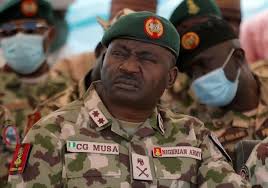
In response to Nigeria’s escalating security challenges, Chief of Defense Staff, General Christopher Musa, has made a strong case for fencing the nation’s porous borders to combat the influx of terrorists, arms, and foreign fighters.
Speaking in an interview with Arise TV on Thursday, June 19, Musa warned that the country’s open borders have become a gateway for terrorist groups, who are now deploying advanced surveillance technologies like drones and infiltrating with foreign-trained operatives.
“The main attraction to all these terrorists and bandits is Nigeria, because of the perception that Nigeria is a rich country — and that there are no strong laws or barriers to stop them,” Musa said.
“Some say fencing is expensive. But what is money if you are dead? It’s of no use.”
He emphasized the need to begin border fencing in high-risk areas such as the Niger-Nigeria boundary, using locally made materials like steel from Ajaokuta to boost industry and job creation. The proposal also includes supporting the fences with surveillance drones and security mesh.
Musa’s call comes in the wake of recent bloodshed in Benue State, where over 150 lives were lost in the Yelwata community massacre. He confirmed that several arrests have been made in connection to the attack and said joint investigations are underway with the DSS and police.
“A criminal is a criminal. Everyone who commits a crime should be prosecuted. That has not been done in the past — and that’s the issue,” he added, pointing to the lack of public prosecution as a reason why impunity persists.
Describing the Benue crisis as more than a farmer-herder conflict, Musa noted that it’s a complex mix of political manipulation, terrorism, land disputes, and retaliatory violence. He urged state and community leaders to prioritize law enforcement and peaceful dialogue.
The Defense Chief also shed light on Boko Haram and ISWAP’s evolving tactics. Despite the military killing nearly 80 of their commanders, insurgents continue to flood in from war-torn regions across the Sahel, aided by weak borders, poverty, and foreign training.
“We’ve seen them use drones. But after some recent setbacks, we’ve re-strategised. Now, they’re on the run,” Musa assured.