
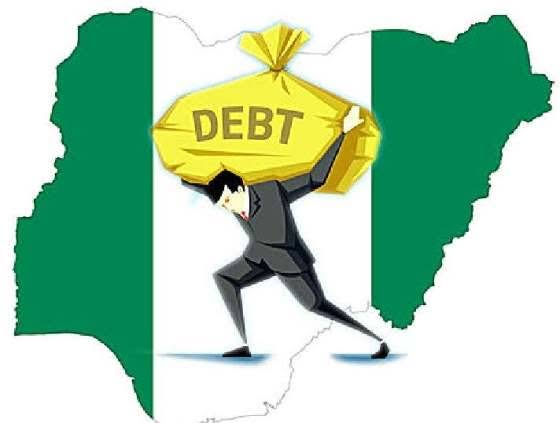
NIGERIA FULLY CLEARS $1.61BN DEBT TO IMF, ENDS DECADES-LONG FINANCIAL BURDEN

By Opeyemi Olugbemi
Nigeria has fully repaid its $1.61 billion (₦2.59 trillion) debt to the International Monetary Fund (IMF), marking a significant milestone in the country’s economic history. As of May 7, 2025, a review of the IMF’s website confirmed that Nigeria is no longer listed among countries with outstanding obligations to the global financial institution.
Data sourced from research firm StatiSense shows that Nigeria settled the debt in phases: from $1.61 billion on July 28, 2023, down to $1.37 billion by January 5, 2024, $933.03 million by July 10, 2024, $472.06 million by January 8, 2025, and finally completing repayment on May 6, 2025.
In an official statement, the IMF described the development as the conclusion of a long-standing financial encumbrance that has persisted across successive Nigerian administrations. These legacy debts, it noted, often consist of arrears owed to multilateral lenders, bilateral partners, and domestic contractors.
IMF Managing Director Kristalina Georgieva commended Nigeria’s leadership, stating: “This achievement reflects a critical turning point for Nigeria’s economic trajectory and global credit standing. It demonstrates decisive fiscal management and a commitment to long-term economic reform.”
O’tega Ogra, Senior Special Assistant to President Bola Ahmed Tinubu on Digital Engagement, Strategy, and New Media, echoed similar sentiments in a post on X (formerly Twitter), calling the repayment a reflection of “discipline, reform, and a strategic reset” by the Tinubu-Shettima administration.
“As Nigeria closes the chapter on these legacy debt obligations, we are better placed to strengthen our fiscal credibility and show the world—and ourselves—that Nigeria is serious about managing our economy with responsibility and vision,” he stated.
Ogra emphasized that while Nigeria no longer owes the IMF, it remains a member of the organization and may still engage it in the future if necessary. “Global partnerships like the IMF remain valuable allies, especially in a world defined by volatility and uncertainty. The difference now is that any future engagement will be proactive, not reactive—and will be based on partnership, not dependence,” he added.


