LASSA FEVER CASES DECLINE IN NIGERIA, BUT CHOLERA RISK LOOMS — NCDC

By Opeyemi Olugbemi
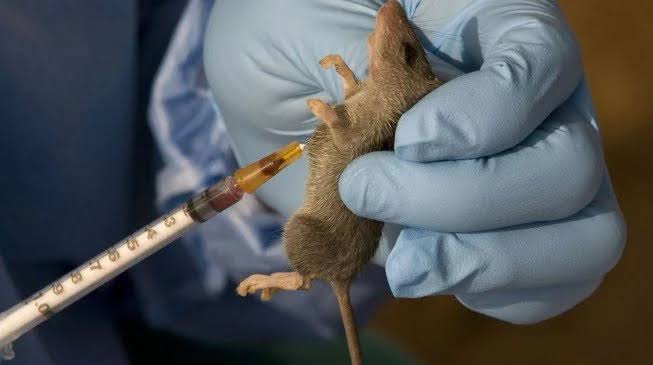
The Nigeria Centre for Disease Control and Prevention (NCDC) has announced a continued decline in the number of confirmed Lassa fever cases across the country, though it warns of a rising threat of cholera as the rainy season sets in.
According to the agency, only three new Lassa fever-related deaths were recorded recently, a notable drop in what has been a challenging outbreak season. Cumulatively, the country has reported 4,253 suspected cases, 696 confirmed cases, and 132 deaths, with a case fatality rate (CFR) of 19.0%.
As of epidemiological week 16, ending April 20, 2025, confirmed cases of Lassa fever dropped from 41 to just 10 — a development credited to ongoing surveillance, treatment, and public health campaigns.
Speaking during a press briefing in Abuja, NCDC Director-General, Dr. Jide Idris, acknowledged the progress but urged caution, particularly in high-risk areas. “While the outbreak remains serious, national and sub-national coordination, improved preparedness, and community engagement are helping turn the tide. However, the response must continue until full containment is achieved,” he stated.
The briefing also provided updates on other public health concerns including Cerebrospinal Meningitis (CSM), Mpox, and Cholera.
Dr. Idris raised fresh alarms over the growing number of suspected cholera cases. As of the latest figures, Nigeria has recorded 1,307 suspected cases across 30 states and 98 local government areas, with 34 associated deaths, resulting in a 2.6% CFR.
He stressed the importance of preventive hygiene, advising Nigerians to boil drinking water and store it in clean, covered containers. He also urged state governments to activate Emergency Preparedness Plans in anticipation of the rainy season’s impact, including potential flooding, displacement, and increased disease spread.
Dr. Idris further called for the immediate establishment of dedicated Lassa and Cholera treatment centers, as well as enhanced mosquito control and the elimination of breeding sites.