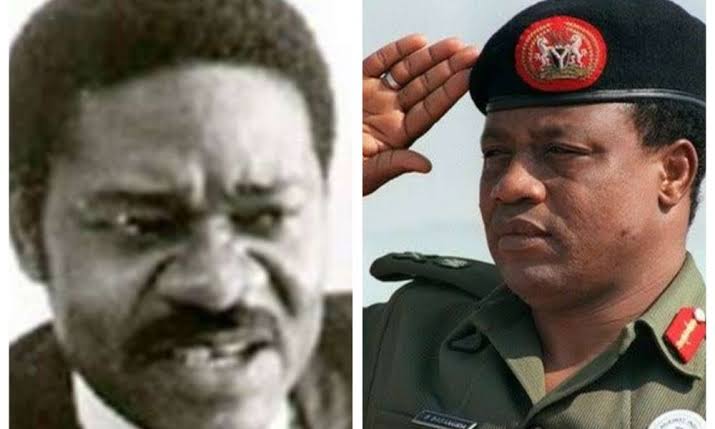
“Village Boys Are More Important Than City Boys” — Isaac Ayo Fayose Speaks On 2027 Election
✍️ By Teju/ February 16, 2026/ 8:26am
In a passionate message that has already stirred conversation across social platforms, political commentator Isaac Ayo Fayose breaks down the contrast between what he calls “city boys” and “village boys”, and why, in his view, the village electorate will shape the outcome of the 2026 elections.
Fayose argues that “city boys” and “village boys” are not the same. He says that although many people identify as city dwellers, they still maintain strong ties to their villages, especially in states like Lagos and others across the South. It’s this rootedness and authenticity that Fayose believes gives village‑based voters a decisive edge.
According to him, village communities communicate better among themselves, understand local language and cultural cues more deeply, and are less swayed by the noise of urban politics. He insists this difference will influence how votes fall in key regions, especially in the Southeast and South‑South.
Fayose boldly predicts that Peter Obi will win comfortably in both the Southeast and South‑South geopolitical zones. Referring to political betting, he even goes as far as saying that if you back the opposition in places like Imo and Anambra, you’ll lose: “Peter Obi will still flog APC by 80%.”
He challenges doubters to bet money on their favored candidates, asserting confidence that APC won’t secure key votes in Igbo land, and that Peter Obi’s popularity there remains unshaken.
Throughout the message, Fayose reiterates a central theme: village voters matter more than city voters, not because city dwellers don’t care, but because village communities are more cohesive, culturally grounded, and politically influential than many analysts give them credit for.
Whether you agree with his assessment or not, his commentary highlights an important dynamic in Nigerian politics: the power of grassroots engagement and the influence of communities beyond urban centers.