AFRICA FACES DEEPENING DROUGHT CRISIS AS EXPERTS CALL FOR URGENT ACTION
By Opeyemi Olugbemi
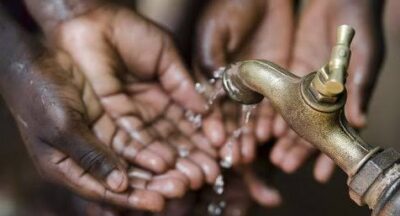
A growing drought crisis is tightening its grip on large swathes of Africa, with new climate data warning of worsening conditions in the coming months. From northern Madagascar to the heart of the Zambezi Basin, below-average rainfall and rising temperatures are drying up rivers, crippling agriculture, and threatening the livelihoods of millions.
According to a recent update from the Copernicus Global Drought Observatory, the effects of two or more years of erratic weather patterns are now clearly visible across northern, southern, and central-western Africa. Rivers like the Zambezi are running at historic lows, compromising ecosystems, slashing hydropower output, and pushing water reserves to the brink.
“The Zambezi isn’t just a river, it’s a lifeline. When it slows, everything from fishing to farming suffers,” says a local hydrologist monitoring the basin.
In North Africa, the agricultural impact is already stark. Remote sensing data show struggling vegetation across Morocco and Algeria. The JRC’s MARS Bulletin reports crop yield forecasts have plunged by 25% in Morocco and 6% in western Algeria. In Ethiopia, a delayed and irregular Belg rainy season threatens key cereal harvests, including maize and wheat.
Despite the grim outlook, climate analysts stress that all hope is not lost.
“There are signs of resilience where early interventions have been made,” noted a regional climate expert in Nairobi. “In some parts of Algeria, February rains brought a temporary boost to soil moisture, proof that adaptive farming practices and drought-resilient crops can make a real difference.”
Experts are now urging African governments to scale up climate-smart strategies, including early warning systems, smarter irrigation methods, and national drought preparedness plans tailored to local conditions.
“Without timely action, we risk irreversible damage to food systems and water security,” the analyst added. “But with coordinated effort, the worst impacts can still be mitigated.”
As forecasts point to a drier-than-average season ahead, particularly for East Africa, the clock is ticking. The continent’s ability to adapt through innovation, investment, and community-driven solutions will determine how deeply this crisis is felt in the months and years to come.